
The Silent Economy: How small-town creators are redefining digital leverage

For years, India’s creator economy appeared to belong almost exclusively to the metros. Mumbai shaped influencer culture through entertainment and fashion. Delhi dominated political commentary and lifestyle content. Bengaluru became the nucleus of technology-led creators, startup podcasters, and digital educators. The assumption was simple: influence emerged from India’s biggest cities because that was where visibility, brands, agencies, and infrastructure existed. That assumption is now rapidly collapsing. A quieter but far more consequential transformation is underway across India’s Tier-2 and Tier-3 cities. From Indore and Coimbatore to Ranchi, Guwahati, Surat, Kochi, Nagpur, Kanpur, Dehradun, and Jaipur, a new generation of creators is building audiences that are deeply loyal, hyper-local, and increasingly monetisable. They are not necessarily viral celebrities with tens of millions of followers. Many operate within focused digital ecosystems — regional comedy, agriculture, finance, gaming, beauty, spirituality, local politics, food, education, or vernacular storytelling. Yet collectively, they are reshaping India’s digital economy from the ground up. This is India’s emerging “silent economy” – a creator ecosystem growing outside traditional media centres and redefining what digital leverage means in the country’s next internet phase. The numbers explain why this shift matters. India’s internet user base crossed 950 million users in early 2026, according to multiple industry estimates. More importantly, over half of new internet users are emerging from smaller towns and rural regions. Cheap smartphones, affordable data, vernacular interfaces, and short-video platforms have dramatically reduced entry barriers. The result is not merely a rise in content consumption but the decentralisation of influence itself. Unlike the first generation of influencers who largely mirrored aspirational urban lifestyles, Tier-2 creators often operate closer to everyday India. Their audiences see them not as distant celebrities but as relatable individuals navigating similar social, economic, and cultural realities. That authenticity has become one of the most powerful currencies of the digital era. Beyond English: The Rise of Vernacular Influence Perhaps the most defining characteristic of India’s silent creator economy is language. For nearly two decades, India’s digital ecosystem remained disproportionately English-centric despite English speakers representing only a fraction of the population. The arrival of affordable 4G data disrupted this imbalance. Millions of first-time internet users entered the ecosystem through Hindi, Tamil, Bengali, Marathi, Telugu, Malayalam, Punjabi, Bhojpuri, and other regional-language interfaces. Content creators quickly adapted. Today, a finance creator explaining SIPs in Bundeli Hindi may attract more trust than a polished English-speaking investment influencer from Mumbai. A farming content creator in Punjab discussing crop diseases can command greater engagement than national agriculture campaigns. A Bhojpuri comedian or Haryanvi musician may build stronger regional monetisation than many mainstream entertainers. This shift reflects a deeper behavioural trend: users increasingly prefer content that mirrors their cultural context, language patterns, and lived experiences. Platforms have recognised this reality. YouTube, Instagram, Moj, Josh, ShareChat, and several regional content platforms are aggressively prioritising vernacular creators because regional engagement rates are often significantly higher than English-first urban audiences. Users in smaller towns also tend to spend longer durations on short-video and community-driven platforms. The result is a dramatic democratisation of visibility. A creator from Jabalpur no longer requires relocation to Mumbai to build an audience. A teacher from Patna can create an edtech business entirely online. A homemaker in Madurai can sell traditional recipes, conduct workshops, and launch regional food products through social commerce. Authenticity Over Aspiration Metro influencer culture often evolved around aspiration — luxury lifestyles, premium fashion, international travel, curated aesthetics, and celebrity association. While that ecosystem remains commercially valuable, audiences are increasingly gravitating toward creators who appear more authentic and accessible. Tier-2 creators benefit from precisely this perception. Their homes, accents, routines, and struggles resemble those of their audiences. This relatability creates unusually high trust levels, especially in sectors such as education, finance, parenting, health awareness, local commerce, and regional entertainment. In smaller towns, digital influence often spreads through community validation rather than algorithmic virality alone. Audiences share creators through WhatsApp groups, neighbourhood networks, local colleges, and family circles. This creates stickier engagement and stronger follower retention. Importantly, many of these creators are not attempting to imitate metropolitan lifestyles. Instead, they are building entirely new content identities rooted in local culture and regional relevance. This represents a structural evolution in India’s digital economy. Influence is no longer purely aspirational; it is increasingly contextual. The Creator as a Micro-Entrepreneur The biggest misconception about India’s creator economy is that it revolves primarily around brand sponsorships. While advertising partnerships remain important, the next phase of growth is increasingly being driven by diversified monetisation models. Tier-2 creators are at the forefront of this transition. Because, many lack early access to large advertising deals, they have experimented with more sustainable income streams from the outset. These include affiliate commerce, digital products, paid communities, subscriptions, consulting, workshops, regional merchandise, coaching, and local partnerships. A fitness creator in Lucknow may run paid diet consultations. A teacher in Kota can sell recorded test-preparation modules. A beauty creator in Guwahati may partner with regional salons and cosmetics retailers. A travel creator in Himachal Pradesh can generate revenue through local tourism collaborations rather than national brands. This diversification makes smaller-town creators economically resilient. Unlike metro influencers who often remain dependent on volatile advertising budgets and changing platform algorithms, Tier-2 creators frequently build audience-owned ecosystems. Their businesses rely on community trust more than visibility spikes. The economics are significant. Low operational costs in smaller towns also improve creator sustainability. A content studio in Indore or Jaipur can operate at a fraction of the cost of Mumbai. Creators often work with small local editing teams, freelance designers, or college students, creating localised digital employment ecosystems. This is where the creator economy begins to resemble entrepreneurship rather than entertainment. The creator is no longer merely a content producer. They are effectively operating as a digital-first small business. A New Engine for Employment India’s creator economy is also quietly emerging as a major employment generator. Industry estimates from organizations such as the BCG and Google India suggest the creator economy could support between 2
Renewables surpass Coal, but Global Power Systems on test
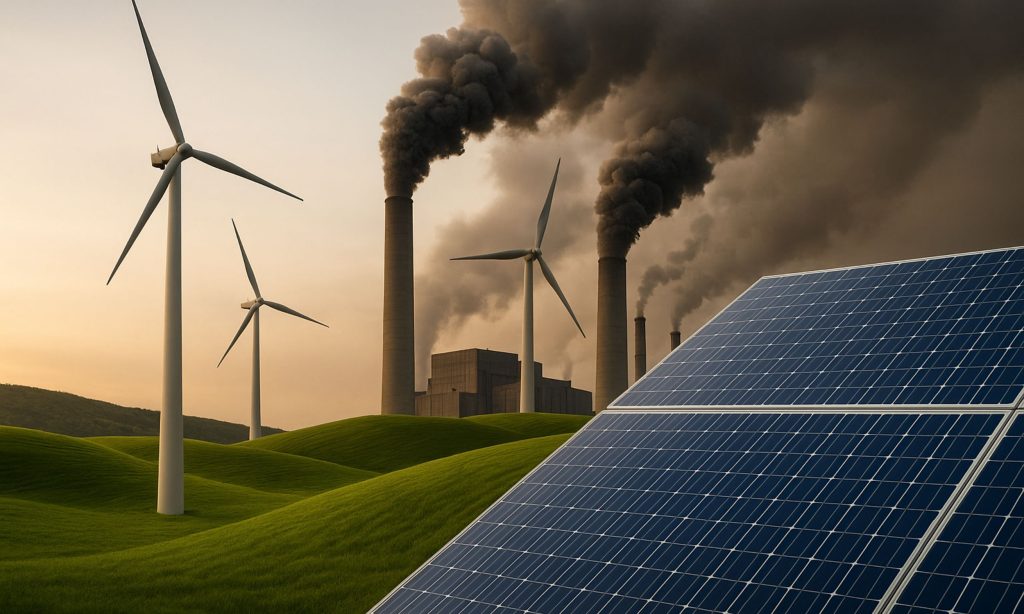
Renewable energy has crossed a historic milestone in the global energy transition. In 2024, renewables generated over 30 per cent of the global electricity output, overtaking coal, which accounted for 26 per cent. The shift has been driven by extraordinary cost declines—solar photovoltaic (PV) costs have fallen by 85 per cent, and onshore wind by 55 per cent over the past decade—transforming clean energy from a niche technology into the backbone of modern power systems. Many major economies now generate more electricity from renewables than from coal, a symbol of how far the world has come. Yet this achievement comes at a moment of extraordinary complexity. As countries expand their renewable capacity, the world is also entering an era of rapid economic and digital growth that will significantly increase electricity demand. Global GDP is projected to grow at 3–3.5 per cent annually, driven by industrialisation, urbanisation, and shifting consumption patterns. At the same time, the digital economy—data centres, cloud computing, AI model training, and high-performance computing—is emerging as one of the fastest-growing electricity consumers. Data centres already consume around 2 per cent of global electricity, and this could rise to 8–10 per cent by 2030 as AI training accelerates. A single frontier-model AI training run now consumes as much electricity as 5,000 households do in a year. These new electricity loads, if not met with clean power, could force countries to rely on coal and gas, reversing hard-won climate gains. This article assesses the economic and technological drivers behind renewable growth, maps the rising electricity footprint of digital and AI-led development, and outlines global and region-specific pathways to ensure that future demand is met through clean, resilient, and climate-aligned power systems. 1. The Economic Drivers Behind the Renewable Energy Boom The growth of renewables over the past decade is the result of reinforcing market, technological, and policy dynamics. Cost Declines Have Reshaped the Global Power Market The steep fall in clean-energy prices is the single largest driver of the transition. Utility-scale solar and wind are now the cheapest sources of new electricity in most major markets. These reductions were enabled by supply-chain scaling, Chinese manufacturing dominance, improved turbine designs, higher solar efficiencies, and enhanced project execution. In 2023, global clean-energy investments surpassed USD 1.7 trillion, outpacing fossil fuel investments by a wide margin. Solar alone attracted more capital than upstream oil and gas, reflecting investor confidence in the long-term trajectory of clean-energy systems. Energy Security Has Become a Strategic Priority The geopolitical shocks of recent years—especially the Russia-Ukraine conflict—have driven home the risks of fossil fuel dependence. Countries across Europe, Asia, and the Indo-Pacific are pivoting towards renewables not only for climate reasons, but to enhance energy independence, insulate their economies from volatile fuel prices, and secure long-term supply. Corporate Procurement Is Accelerating the Transition Companies represent one of the strongest demand signals for renewable energy. More than 450 global corporations have committed to sourcing 100% renewable electricity. Technology giants—Google, Microsoft, Amazon, Meta—are now among the world’s largest renewable PPA buyers, shaping grid investments in the U.S., the EU, and Asia. Their data centres increasingly seek to operate on round-the-clock clean power, pushing utilities to diversify their resource mixes and invest in storage. 2. Digitalisation, AI, and the New Electricity Super-Cycle Even as renewables grow, global electricity demand is entering a period of unprecedented acceleration. As global GDP expands by 3–3.5 per cent annually, electricity consumption will rise sharply, particularly in emerging markets. Middle-income countries transitioning into manufacturing and services sectors—India, Indonesia, Vietnam, Nigeria, and Brazil—will experience the fastest growth. Data Centres Are the New Industrial Load Data centres are becoming what steel mills and aluminium smelters were for the past century. Hyperscale cloud zones in the U.S., the EU, China, and India are driving enormous local demand surges, stressing grid infrastructure and increasing the risk of fossil-fuel fallback. AI Model Training Is an Energy-Intensive Frontier Training large AI models is incredibly power-intensive. Frontier models require tens of thousands of highly specialised GPUs operating for weeks or months. A single training run for a cutting-edge AI model consumes electricity equivalent to 5,000+ households annually. As AI becomes embedded in search engines, logistics, customer services, scientific modelling, and healthcare, the energy demand for inference—the day-to-day operation of AI models—will multiply rapidly. The Grid Is Becoming the Bottleneck of the Digital Revolution Countries are racing to become digital and AI hubs, yet grid capacity expansion is lagging. Without accelerated investments in transmission and storage, countries may meet new loads with coal and gas, jeopardising climate goals. 3. Regional Dynamics: How India, China, and Africa Are Shaping the Next Phase India: High Growth, High Demand, High Ambition India is both a leader and a test case for managing rapid economic growth while expanding clean power. GDP is expected to grow at 6–7 per cent annually, driven by industrialisation, urbanisation, and a national push to become a global manufacturing and digital hub. Electricity demand could double by 2030, fuelled by: India’s data-centre electricity consumption could rise from under 1% today to 3–4 per cent by 2030, with Mumbai, Chennai, Hyderabad, and Noida emerging as hyperscale hubs. India has set a target of 500 GW of non-fossil capacity by 2030, backed by the world’s largest solar park programme and a significant push for pumped hydro and battery storage. Yet transmission expansion, financial reforms in power utilities, and land acquisition remain challenges. Coal remains a fallback during peak demand spikes. The coming decade will determine whether India becomes a global model for clean industrial growth—or faces grid stress and fossil resurgence. China: The World’s Renewable Giant Facing a Digital Power Crunch China leads the world in renewable deployment by an enormous margin. In 2024, it installed more solar than the rest of the world combined. Several provinces now generate more electricity from wind and solar than from coal. Yet China’s electricity system is under immense pressure: China’s strategy includes: China’s success or failure in synchronising energy and digital industrial policy will shape global climate trajectories.
The Rise of the Cobots: The New Face of Automation
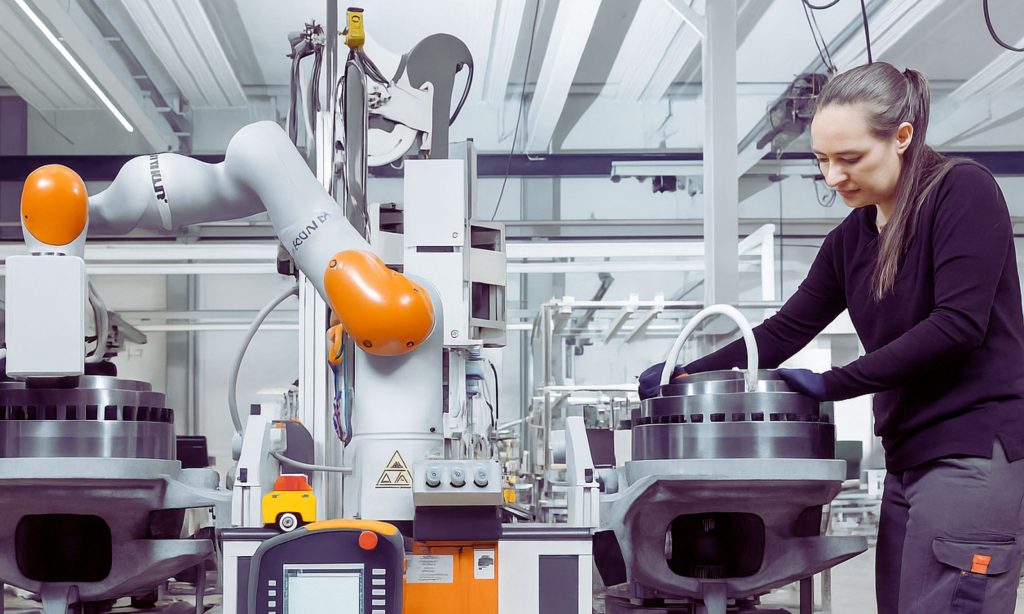
The evolution of collaborative robots (Cobots), with a dash of AI (artificial intelligence), in all likelihood, will transform industry. In the history of industrial progress, few technologies have evolved as rapidly as robotics. From the massive robotic arms of the 1980s that welded cars behind steel barriers to today’s nimble, sensor-rich machines working in tandem with humans, automation has entered a new, collaborative era. These next-generation robots—aptly named collaborative robots, or cobots—are transforming not just how work is done, but how it is experienced. Designed to work safely alongside people, cobots blend human judgment and creativity with robotic precision and endurance. Unlike traditional industrial robots that require isolation for safety, cobots use advanced sensors, vision systems, and AI algorithms to detect human presence and adapt in real time. The shift from separation to collaboration marks a fundamental change in how industries approach productivity, design, and workforce development. According to MarketsandMarkets, the global cobot market, valued at USD 2.7 billion in 2023, is projected to surpass USD 15 billion by 2030, growing at more than 27 percent annually. The drivers are clear: industries worldwide seek flexibility, safety, and efficiency amid shortages of skilled labours, demands for customisation, and digital transformation. Why Cobots, Why Now? The cobot revolution is not just about smarter robots—it’s about rethinking the future of work. Three converging forces have made them indispensable across sectors: the labour crunch, the need for flexibility, and the democratisation of automation. a). The Labour Crunch Advanced economies face acute worker shortages in manufacturing, logistics, and healthcare. Cobots fill critical gaps by handling repetitive, ergonomically challenging, or precision-driven tasks—without fatigue or error. India faces a similar but distinct challenge: a skill imbalance rather than a worker’s shortage. Manufacturing contributes nearly 17 percent to India’s GDP, but demand for trained technicians far exceeds supply. In Pune and Chennai, Tata Motors and Hyundai reportedly use cobots for welding and painting operations, reducing error rates and protecting workers from heat and fumes. In sectors like electronics, where micro-level accuracy is vital, cobots are helping India climb the value chain—from assembly to advanced component manufacturing. b). The Need for Flexibility Traditional robots are expensive to install and reprogramme, and are suited mainly for large, repetitive production runs. Cobots, in contrast, are lightweight, mobile, and easily reprogrammable, perfect for short-run production or seasonal surges. This flexibility makes them ideal for India’s 63 million small and medium enterprises (SMEs), which often lack the capital or floor space for traditional automation. In Coimbatore and Rajkot, cobots are now used in foundries and precision-engineering workshops for polishing and inspection—tasks once deemed too delicate for full automation. c). The Democratization of Automation Falling sensor costs, open-source robotics software, and plug-and-play design are lowering barriers to entry worldwide. In India, home-grown startups like Systemantics, Asimov Robotics, and GreyOrange are designing affordable cobots tailored to local conditions—robust enough for dusty factory floors, yet precise enough for electronics and pharma. From Factory Floors to Hospital Corridors Cobots are no longer confined to manufacturing—they have found homes in laboratories, warehouses, hospitals, farms, and even classrooms. Their cross-sector versatility is reshaping entire economies. i). Manufacturing: Precision Meets Productivity The birthplace of the cobot revolution remains the manufacturing floor. Global leaders like Universal Robots’ UR10 and FANUC’s CRX-10iA now work beside technicians at BMW, Ford, and Siemens, improving throughput and reducing defects. In India, this transformation is equally visible. Mahindra & Mahindra’s Igatpuri plant uses cobots for precision engine assembly, cutting error rates by 20 percent. Panasonic’s Noida facility relies on AI-enabled cobots for soldering and inspection, while Tata Electronics employs them for packaging and quality assurance. Compact, easily reconfigurable cobots enable mass customisation—a game-changer for India’s fast-moving electronics and auto-component sectors. ii). Pharmaceuticals: Automation with a Sterile Touch In the global pharmaceutical industry, precision and sterility are paramount. Cobots are automating contamination-sensitive processes such as vial filling, pipetting, and packaging under clean-room conditions. During the COVID-19 pandemic, cobots became essential in vaccine production lines, performing tasks too repetitive or risky for humans under strict bio-containment. India’s USD 50 billion pharmaceutical industry, one of the world’s largest, has embraced this shift. Dr. Reddy’s Laboratories and Sun Pharma deploy cobots for GMP-compliant packaging and labelling. AI-powered analytics enable real-time correction, flagging anomalies before they lead to costly recalls—making “automation with a sterile touch” a new industry standard. iii). Healthcare: Precision, Safety, and Scalability Perhaps the most transformative application of cobots lies in healthcare. Surgical robots such as the da Vinci System and CMR Surgical’s Versius have revolutionised minimally invasive procedures—offering sub-millimetre precision and faster recovery times. India has rapidly adopted this frontier. More than 100 hospitals now use robotic systems, and the country’s first indigenous surgical robot, SSI Mantra (developed in Bengaluru), has slashed procedure costs by half. Beyond the operating theatre, cobots are finding work in hospital corridors. AIIMS Delhi and Apollo Hospitals are piloting robots that deliver medicines, disinfect rooms using UV light, and transport supplies—boosting hygiene and freeing up nursing staff for patient care. The global healthcare robotics market is projected to hit USD 35 billion by 2032, and India’s share is set to expand sharply as AI and 5G improve clinical precision. iv). Logistics and Warehousing: The Agile Workforce E-commerce has redefined customer expectations—speed and accuracy are non-negotiable. Cobots, equipped with AI navigation and machine vision, are the unsung heroes of this revolution. At Amazon, Ocado, and DHL, cobots assist with picking and palletising. In India, Flipkart and Reliance Retail use similar systems in massive fulfilment centres in Haryana and Karnataka. GreyOrange, a Gurugram-based pioneer, exports its “Butler” cobots to over 70 countries, exemplifying India’s global contribution to warehouse automation. AI-driven cobots can now predict workflow bottlenecks, redistribute tasks, and reduce idle time by up to 60 percent, helping India’s logistics sector—poised to reach USD 380 billion by 2025—operate smarter and greener. v). Agriculture and Food Processing: Gentle Automation Agriculture, long resistant to automation, is being reshaped by cobots equipped with computer vision and tactile sensors. They can harvest delicate crops, sort produce, and
Geopolitical Rush for Rare Earth Minerals, a Strategic Global Asset

Rare Earth Elements (REEs), a group of seventeen chemically similar metallic elements, are crucial to the modern technological landscape. These elements, including neodymium, dysprosium, and praseodymium, possess unique magnetic, luminescent, and electrochemical properties. Their importance spans across various sectors such as renewable energy, electric vehicles (EVs), defence, and advanced electronics. As the global economy undergoes a green and digital transformation, the demand for REEs is accelerating. However, the REE supply chain is fraught with challenges. From geopolitical monopolies to environmental hazards, ensuring stable access to these resources is a strategic priority for countries around the world. Global Perspective The global rare earth market was valued at approximately USD 12.44 billion in 2024 and is expected to reach USD 37.06 billion by 2033, growing at a compound annual growth rate (CAGR) of 12.83%. Several factors are fuelling this surge: Regional Overview China: The Global Leader China remains the undisputed leader in the rare earth market, accounting for over 80% of global production and 58% of market share in 2024. The country’s dominance stems from: China’s control over the REE sector has geopolitical implications. By leveraging its near monopoly, it can influence global prices and access, posing challenges for other economies. China has also launched several state-backed initiatives to expand its rare earth footprint globally, including investments in African and South American REE mining operations. United States: Strategic Diversification The U.S. is making significant investments to revive its domestic REE industry. Driven by the need to secure critical materials for defence and technology sectors, the U.S. aims to reduce its dependence on Chinese imports. By 2032, the U.S. market is projected to grow significantly, reaching USD 394 million. Initiatives include: The Mountain Pass mine in California has resumed operations and is a central pillar of the U.S. REE strategy. The Department of Defence is also supporting R&D in substitute materials and processing technologies. Europe: Green Investment Focus European nations are also prioritizing REE security to support their green agendas. Germany, France, and the UK are investing in domestic supply chains and recycling. For instance, the UK has launched a government-backed rare earth processing plant, and the European Union has identified REEs as critical raw materials. European companies are exploring opportunities in Greenland and Eastern Europe to develop new mines. The EU is also focusing on setting environmental standards for responsible mining and enhancing REE recycling capacity from e-waste. Asia-Pacific (Excluding China): Expanding Capacity Japan and Australia are enhancing their REE sectors through bilateral collaborations. Australia, rich in REE deposits, is positioning itself as a reliable alternative supplier. Japan is investing in research and securing long-term agreements to diversify its sourcing. South Korea is emerging as a key player by focusing on developing magnet production capabilities. ASEAN countries like Vietnam and Malaysia have started exploring their untapped REE reserves, aiming to become part of the global value chain. Africa: Rising on the Global Radar Africa is increasingly being recognized for its rich deposits of rare earths and its potential to become a key player in the global market. Countries such as: African nations are engaging in strategic partnerships with countries like China, Australia, and the United States to develop their REE potential. However, issues such as infrastructure challenges, regulatory uncertainties, and political instability need to be addressed for Africa to fully realize its rare earth promise. Other Advanced Economies Global Supply Chain Challenges Despite the projected growth, the global REE supply chain faces persistent challenges: Diversification and Innovation Efforts To mitigate these risks, several nations are taking proactive measures: India Perspective India holds immense potential in the rare earth sector, with estimated reserves of 6.9 million metric tons, placing it among the top five globally. However, its contribution to global production is under 2%, reflecting significant untapped opportunity. Mining and Resource Availability India’s REEs are primarily found in monazite-rich beach sands, particularly in Kerala, Tamil Nadu, and Andhra Pradesh. The extraction process is complicated due to the presence of thorium, a radioactive element, necessitating stringent handling and disposal measures. Moreover, mining operations are constrained by: Other potential REE-rich zones include Jharkhand and Chhattisgarh, though comprehensive surveys and resource mapping are still in early stages. Revamping the Indian Rare Earths Limited (IREL) is being seen as a strategic move to ramp up domestic extraction. Processing and Supply Chain Gaps While India has capabilities for mineral beneficiation and some refining, it lacks infrastructure for key intermediate processes like magnet production and alloying. This absence creates bottlenecks in developing a value-added domestic REE industry. Challenges include: India also needs a robust logistics and export framework for efficient market access. Developing industrial clusters focused on REE processing can streamline operations and attract investment. Regulatory and Economic Barriers India’s deposits often contain lower-grade ores, increasing the cost and complexity of extraction. Additionally, multiple regulatory clearances and overlapping jurisdictions delay project implementation. Addressing these issues requires streamlined policies and better inter-agency coordination. Land acquisition, environmental approvals, and the involvement of multiple ministries (mines, environment, atomic energy) require harmonization to avoid bottlenecks. Recent Government Initiatives The Indian government is taking significant steps to bolster the REE sector: Opportunities and Recommendations India is at a pivotal moment to harness its REE potential. To become a global leader, it must focus on: Conclusion Rare earth elements are poised to become the cornerstone of the next industrial revolution, driving innovations in clean energy, transportation, and defence. While China’s dominance remains a structural challenge, global momentum is building to develop diversified and sustainable supply chains. In the evolving geopolitical landscape, mastering the REE value chain is not just an economic imperative—it is a strategic necessity.
Robotics Push for Smart Manufacturing & Resilient Supply Chain
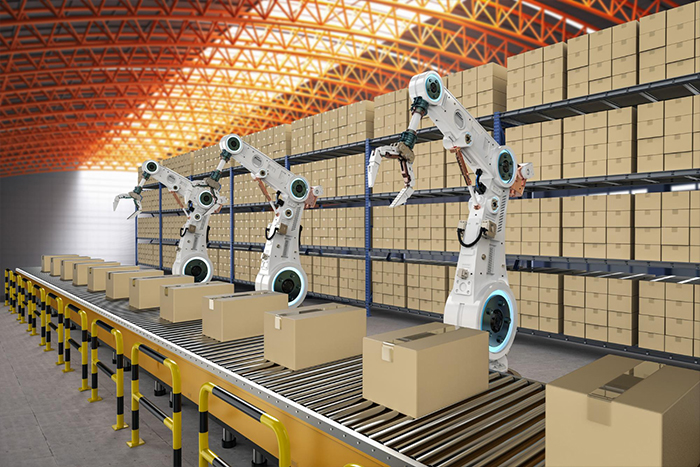
The industrial robotics market is witnessing a significant transformation. This positive outlook is supported by an anticipated growth of USD 55.1 billion in 2025, surging to an impressive USD 291.1 billion by 2035 at a CAGR of approximately 18.1%. Increasing automation, advances in artificial intelligence (AI), and the rise of Industry 4.0 are redefining this landscape. And it is reflected in the adoption of advanced robotics in production lines and supply chains, increasing efficiency, productivity, and safety; while ensuring consistent quality and lowering operational costs for businesses. Robotics has transformed warehousing, inventory management, and delivery systems. Global supply chains are the backbone of modern economies, ensuring goods reach our homes, businesses, and stores. With growing demand and labour shortages, the logistics industry is turning to cutting-edge technologies to stay ahead. Automated guided vehicles (AGVs), robotic arms, and autonomous drones are performing tasks such as picking, packing, and sorting with speed and precision that far surpass human capabilities. Think about robotic process automation, or RPA, also handling inventory management and order processing. It’s faster, more accurate, and frees up the team to focus on more strategic decisions. Robotic breakthroughs powered by AI Imagine a world where factories run 24×7, machines fix themselves, and production is faster than ever before. This isn’t science fiction; it is happening right now with factory floors buzzing with machines that can talk to each other, sharing real-time data about performance and efficiency, and completely transforming the way we build everything around us. It does not stop there. AI is also optimizing the entire production line. It can analyse the workforce, identify bottlenecks, and suggest improvements that can drastically cut waste and speed up production. Another factor contributing to this transformation is the emergence of collaborative robots (cobots)—robots specifically designed with sensors and AI to safely operate alongside humans in shared work environments. These robots excel in performing precise, repetitive tasks while also enhancing workplace safety. In addition, artificial intelligence (AI) and machine learning (ML) are transforming industrial robotics by facilitating AI-driven decision-making and predictive maintenance, which reduces downtime and prolongs the lifespan of robotic systems. Another key market driver is the increasing demand for adaptable and customizable robotic solutions. As the manufacturing landscape changes, companies are looking for robots that can be easily reprogrammed and tailored for various processes. This flexibility enables manufacturers to swiftly adjust to changing production requirements, thereby boosting competitiveness and operational efficiency. Cobots tackle jobs that are dangerous or nearly impossible for humans—heavy-duty welding in high-temperature environments or handling toxic chemicals. They can perform these tasks with precision and consistency, reducing risks to human workers. Apart from this, AI-powered robots learn from their environment and adjust to changing tasks on the fly. This significantly reduces errors, optimizes resource usage, and enables scalability in production, making them a cornerstone of smart factory operations. Innovations transforming industries When you combine the decision-making power of AI with the physical capabilities of robots, you get a nearly autonomous system. Picture a manufacturing line where AI algorithms oversee operations and interpret real-time data from every robot and machine. When a robot identifies a malfunction or requires recalibration, the AI directs it on the subsequent steps. These systems are also capable of adjusting to unforeseen circumstances, such as an unexpected surge in demand or a disruption within the supply chain. For inventory management, agentic AI systems use real-time data and demand forecasts to optimize stock levels, ensuring raw material availability while preventing overstock. Autonomy minimizes carrying costs and enhances supply chain efficiency, allowing producers to keep lean stocks while meeting production schedules effortlessly. This level of flexibility was unthinkable just a few years ago, but today, it is becoming the standard for cutting-edge factories. To truly grasp the impact of AI and robotics on manufacturing, let’s look at some real-world examples. In the automotive industry, companies like BMW are leading the charge. Their factories are equipped with robots that can assemble cars faster and more accurately than human workers, while AI systems oversee the entire process, optimizing workflow and ensuring quality. Similarly, Tesla has integrated AI into its electric vehicle assembly lines, enabling faster and more efficient production of cars. In the aerospace industry, AI-powered robots are assembling complex structures like aircraft wings with pinpoint accuracy. Companies like Amazon have revolutionized warehouse operations with fleets of autonomous robots that navigate massive fulfilment centers, lifting and transporting heavy loads with ease. By taking over these tasks, robots are not just increasing productivity; they are making workplaces safer for everyone involved. In the electronics sector, Samsung has adapted AI-driven automation to produce smartphones at an incredible scale, maintaining consistency and reducing defects. It is not just big players that are making waves. Start-ups are also innovating, developing robots that can automate small-batch production or even custom manufacturing, making advanced technology accessible to smaller businesses. Resilient & Sustainable Supply Chain Supply chains involve numerous complexities and consist of suppliers, warehouses, manufacturers, and retailers collaborating for method optimization. Robots kept things running during the COVID pandemic, helping the supply chains to bounce back. A critical factor that will continue to shape the global supply chains in 2025 is the relationship between the United States and China. Escalation of trade tensions amid the ongoing tariff war between the two economic superpowers could lead to potential decoupling of supply chains. The restrictions in one geosphere could lead to opportunities for countries like India, Vietnam, Mexico, and Poland, which may emerge as alternative manufacturing hubs, supported by a dramatic transformation in logistics and supply chains through the integration of artificial intelligence (AI) and smart robotics. Today, robotics and automation are streamlining many facets of supply chain operations. Robots and automated warehouse technology are already helping businesses to make the most of their distribution hubs. The autonomous robots are also helping companies define the future supply chain by lowering long-term costs, providing labour and utilization stability, increasing worker productivity, lowering error rates, reducing the frequency of inventory checks, optimizing picking, sorting, and storing times, and
Energy Transition: Challenges in Pursuing Solar and Wind Energy Goals
Introduction: Humanity’s Race Against Time As wildfires rage, glaciers melt, and hurricanes grow fiercer, the evidence of climate change has become inescapable. The world stands at a crossroads: continue on a path of carbon-intensive growth or pivot urgently toward sustainable, renewable energy systems. Among all available options, solar and wind energy have emerged as the twin pillars of hope for a low-carbon future. Their promise is clear — abundant, clean, and increasingly affordable power. However, while global ambition has never been higher, the challenges of transforming energy systems that have relied on fossil fuels for over two centuries are monumental. Technological innovation, political will, financial muscle, and social acceptance must converge to realize this transformation. Global Energy Transition Goals: Setting the Bar High The momentum behind renewable energy targets has accelerated dramatically over the past decade. Following the Paris Agreement of 2015, nearly 200 nations committed to limit global temperature rise to well below 2-degree C above pre-industrial levels. Scientists, however, stress that warming beyond 1.5-degree C could trigger irreversible climate feedback loops, making the need for swift decarbonization even more urgent. While European Union has mandated net-zero emissions by 2050, it has set an interim goal to source 42.5 per cent of its energy from renewables by 2030. The United States has set a target of carbon-free electricity system by 2035 and net-zero economy-wide emissions by 2050. The world’s second largest economy, China, is looking at peak carbon emissions before 2030 and achieve carbon neutrality by 2060. It plans to install 1,200 GW of solar and wind capacity by 2030. India is looking to achieve 500 GW of non-fossil fuel capacity by 2030, and net-zero emissions by 2070. As per the International Energy Agency (IEA), to stay within a net-zero pathway by 2050, annual global renewable capacity additions must triple by 2030 compared to 2020 levels — a staggering task requiring unprecedented coordination and investment. A Renewable Surge: The Successes of Solar and Wind The world has made remarkable strides in scaling up renewable energy. All these developments have been accompanied by reduction in technology costs. While solar PV module prices have dropped by 85 per cent since 2010, onshore wind energy costs have fallen by 70 per cent during the same period. Today, solar and wind are often the cheapest sources of new electricity generation in two-thirds of the world, according to BloombergNEF. Environmental Benefits: A Clearer, Healthier Future Transitioning to solar and wind energy is not just a technological shift — it’s an environmental imperative. While carbon emissions from coal is 820 grams of CO₂ per kWh, natural gas emits around 450 grams CO₂/kWh, solar or wind emit just 4–5 grams CO₂/kWh over their lifecycle. It is estimated that moving toward renewables could prevent 70 billion tonnes of cumulative CO₂ emissions by 2050. Fossil fuel combustion causes over 8.7 million premature deaths annually, according to a 2021 Harvard study. A global renewable shift could avoid 130 million deaths linked to air pollution by mid-century (IEA estimate). Water Usage Solar and wind power require minimal water compared to fossil fuels or nuclear plants, easing pressure on global freshwater supplies — a critical advantage as water scarcity intensifies under climate change. The Challenges: Why the Transition is Harder Than It Looks Despite the dazzling statistics, serious hurdles threaten to derail progress. 1. Intermittency and Reliability Solar and wind energy are inherently variable: Without large-scale storage or backup systems, grids risk blackouts and volatility. 2. Storage and Backup Systems Batteries are essential for storing excess renewable energy — but: Modernizing energy infrastructure will require USD 14 trillion by 2040 (International Renewable Energy Agency – IRENA). 3. Land and Space Requirements Renewable projects are land hungry. While solar farms need 6–8 acres per megawatt, wind farms need wide spacing between turbines. In densely populated countries, land acquisition sparks resistance from local communities. 4. Critical Mineral Dependency Solar panels and wind turbines rely heavily on critical minerals like lithium, cobalt, nickel, and rare earth elements. Currently, China refines 60 per cent of global lithium and 70 per cent of cobalt. On the other hand, Democratic Republic of Congo supplies over 70 per cent of the world’s cobalt. This shows concentration of supplies in fewer regions. Another challenge is the risk posed by mining expansion causing environmental degradation, labour abuses, and geopolitical tensions. 5. Policy and Financial Barriers Unstable policy environments discourage investments. For instance, challenges such as retroactive cancellation of renewable contracts and high capital costs for developing nations are amongst the challenges. Global climate finance flows need to quadruple to over USD 4 trillion annually by 2030 to meet net-zero goals, according to the Climate Policy Initiative. 6. Public Resistance Communities often oppose large-scale renewable projects: India’s Energy Transition: High Stakes, Big Ambitions As the world’s third-largest energy consumer, India’s role is pivotal. Achievements So Far Strategic Initiatives Challenges on the Ground India’s transition will need sustained financing (estimates suggest USD 160 billion annually until 2030) and innovative policy measures like carbon pricing, green bonds, and international collaboration. Innovations Leading the Way Despite the roadblocks, technological innovations are accelerating solutions: The Future Outlook: A Decisive Decade The 2020s will determine whether humanity stays within the 1.5-degree C warming limit. However, achieving these milestones will require a massive reallocation of capital, reform of regulatory frameworks, and a just transition that includes workers and communities impacted by the decline of fossil fuel industries. Conclusion: A Race We Cannot Afford to Lose Solar and wind energy represent not just an energy transition, but a civilizational shift. They promise cleaner air, healthier populations, economic opportunity, and a liveable climate. But this transition must be fast, fair, and inclusive. Overcoming intermittency, grid constraints, critical mineral risks, and financial barriers demands bold leadership and global solidarity. The energy transition is no longer optional. It is a moral and existential imperative.
Reap Demographic Dividend Before It Peters Out

When we talk about demography, it is an opportunity as well as a challenge. If India has to leverage the demographic dividend, Indians should not only be physically healthy but also be mentally healthy and skilled. Even though India has become the most populous country in recorded history by overtaking China, it has to fix structural issues, including accelerating investment in health education and undertaking land-labour reforms to boost economic growth and create more jobs before the demographic dividend peters out. China’s demographic dividend started in the 1970s and peaked around 1985-86 before petering out by 2012. Yet, China’s working-age population is almost the same as that of India now. On the other hand, India’s demographic dividend started to see some momentum from 1973 and peaked around 2011-12, but it still has a window till 2048. Thus, the benefit to the GDP from the demographic transition in India has been lower than its peer in Asia and is already tapering. But there is a glimmer of hope. There is a demographic boon that needs to be nursed intensively to help India become a developed nation by 2047, the 10th year of Independence. The demographic dividend is the economic growth potential that can result from shifts in a population’s age structure, mainly when the share of the working-age population (15 to 64) is larger than the non-working-age share of the population (14 and younger and 65 and older). During a demographic transition – where fertility rates decline, life expectancy rises, and workforces grow – human capital investment could trigger a demographic dividend, not only through greater economic productivity but also from more health, education and empowerment. On the demographic front, India can aim for raising the average life expectancy from 71-74 years now to around 84 years, which is the best in the world. India’s Total Fertility Rate (TFR) will be gradually declining to about 1.8, and the population will be stabilising at about 165 crores by 2047. Being a youthful nation, the working-age population would be around 1.12 billion, making it the single largest workforce of any nation in the world. This means that a significant portion of the global workforce increase over the next decade will come from India, and the country has the potential to leverage this for economic growth. According to the United Nations Population Fund (UNFPA)’s State of World Population Report 2023, India’s working-age population is rising and stood at 68% compared with 67.3% in 2020 and 66% in 2015. China, on the other hand, has a working-age population of 69%, but it is declining from 70.3% in 2020 and 73% in 2015. India’s population in 2023 stood at 1,428.6 million compared to China’s 1,425.7 million. Now, India’s population is estimated to be 1.46 billion compared with China’s 1.42 billion. But that’s where the comparison ends. To become a developed nation, India will have to aim to become a leading global economy, a driver of global economic growth, and a magnet of global talent, trade and capital. Its cities and markets will be among the largest and topmost business and financial centres of the world. India will have to aim to have Indian-origin Global Business Champions in manufacturing, services, agriculture, R&D and innovation with Indian firms working on the frontiers of innovation, technology and scale. Have a vibrant rural economy with rural standards of living at par with urban areas and average rural incomes (both farm and non-farm) comparable with the per capita income of the country. India has remained the fastest-growing major economy in the world for the last few years and will continue to remain so in the next few years as well. However, rapid economic growth has not translated into productive employment and decent work opportunities for the vast majority of India’s labour force, 90% of them being informal. It means that employment is predominantly of poor quality, is self-employment and casual employment. As a consequence, wages are also stagnant and or declining, making work even more precarious for a large swathe of workers. According to the International Labour Organisation, decent wages are central to economic and social development and to advance social justice and highlighted their essential role in reducing poverty and inequality and ensuring a decent and dignified life. India’s worker population ratio is rising, and the number of employees is growing faster than the growth rate in population. Among the three categories of workers — casual workers, salaried workers and self-employed– the first category saw the fastest rise in wages, whereas the second category is not seeing much increase. So, there is an urgent need to address gaps in education and skilling on which states have to focus on more. Given that with nearly 8 million young workers added to the labour force each year, India is at a turning point and needs to do everything to create as many as 8 million new jobs every year. In India, the Centre and states’ combined investment in education is around 2.9% of the GDP, much lower than the required rate of 6%. In health, another critical area, public investment is just 1% of GDP. The 15th Finance Commission had recommended that India’s public expenditure on health should increase to 2.5% of GDP by 2025. For a developing country like India, with the largest population, there is always a fight for resources between social and infrastructure development and committed expenditures like salary, pension and interest cost. While employment generation and skill development are government priorities, the extent to which India reaps a demographic dividend will also depend on the mental health of our workers. The Economic Survey 2024-25 examined the impact of work culture, lifestyle and eating habits on mental health. These are some of the areas where the state has to step in also. Scientific evidence abounds that the consumption of ultra-processed foods (high in fat, salt and sugar or HFSS) is a big factor in undermining both physical and mental health. In this regard, globally, self-regulation has been ineffective. The Survey suggested
Circular Economy: Invest in the Future

In a world where ‘development’ has for centuries been synonymous with ‘depletion’ — and continues to be so, alarmingly — the concept of Circular Economy (CE) has emerged as a harbinger of hope in more ways than one. While the idea itself is decades old, it has gained prominence over the last 15 years or so, with the global community waking up to its possibilities and necessity. CE: More relevant than ever Unlike the widely followed linear economy model, which operates on the principles of extraction (of resources), manufacture, use and dispose, CE stresses on sustainable and environment-friendly business models rooted in zero-waste practices. The concept is based on three pillars that addresses the most pressing concerns of modern world — reducing waste and pollution, restoring natural ecosystems and sustainable use of natural resources, and extending the lifespan of materials through reuse and recycling. The Global Waste Management Outlook 2024, published by the United Nations Environment Programme (UNEP) is an eye-opener. According to the report, if the world follows CE practices, the volume of municipal solid waste generated globally could reduce from more than 4.5 billion tonnes to less than 2 billion tonnes. It is also seen as an efficient way to tackle uncontrolled waste. Adopting CE is touted to bring it down to around 630,000 tonnes — a decrease of more than 40 per cent — by 2050. The fact is vouched by the World Economic Forum (WEF) too. In short, it advocates development with responsibility, towards the planet, and the future generations that will inhabit it. A promising business mode Along with nurturing the planet, Circular Economy is a promising business model as well. Many global giants have already embraced it, and as per the research report titled “Global Circular Economy Market Insights Forecasts to 2033”, the worldwide CE market is expected to reach a whopping USD 1.9 trillion by 2033, with a CAGR of 13.10 per cent between 2023 and 2033. In a news that bodes well for India, the Asia Pacific region is expected to witness the fastest growth during this period. Kings Research reveals that multinational corps like Adidas, IKEA, PepsiCo, Procter & Gamble, and Coca-Cola are some of the big names who are already treading the CE path. Be it IKEA’s strategy to use recycled materials or PepsiCo opting for sustainable packaging, every step, no matter how small, is a significant one. Circular Economy in India As the country with the largest population in the world, India needs to urgently shift completely from a linear economy to CE. The figures are staggering. According to a government report, India’s material consumption has witnessed a six-fold increase in 45 years (1970 to 2015), from 1.18 billion tonnes to 7 billion tonnes (Source: The EAC-PM or the Economic Advisory Council to the Prime Minister working paper series: India’s tryst with a circular economy). This figure is slated to touch 14.2 billion tonnes by 2030. There’s more, India’s resource extraction figures are 1,580 tonnes per acre, which is an alarming 251 per cent higher than the global average of 450 tonnes per acre. Our recycling rate is embarrassingly low at 20 per cent, and we are ‘third rank holders’ when it comes to countries with highest greenhouse gas emissions. With a clear intent to transition into a CE, the Government of India has launched many initiatives and policies over the past few years. The Economic advantages Adopting CE practices has many advantages from an environmental and social perspective as well. Let us also dwell more on the economic benefits. To begin with, a decrease in waste generation and material consumption can save a lot of costs for businesses. They will create numerous new avenues for businesses in areas like repurposing, remanufacturing, remodelling, recycling and sustainable product design. With a huge spurt in young population, job generation is one of the biggest challenges our country is facing today. The shift from linear to circular economy will breathe fresh life into economic growth and also create millions of new jobs. Circular Economy Investment: A wise option Following the global trend, India is witnessing an impressive rise in the number of CE business ventures. The country’s business and tech giants such as Reliance Industries, Infosys, Tata Steel and Larsen & Toubro are leaning towards CE practices. Not just established businesses, as per April 2025 data, there are 580 CE start-ups in India, out of which 174 have secured funding (tracxn.com report: Explore circular economy startups in India). Their number is poised for further growth in the coming years. CE practices are already gaining traction in key sectors such as agriculture, automobile, construction, electronics, waste management, and textiles, among others. In the coming years, it’s expected to grow further. Figures show that the country’s CE ventures had drawn investments worth USD 1.8 billion (inc42.com report: The future of circular economy startup investment trends and predictions) between 2016 and 2021. Studies also predict India’s CE market will touch USD 45 billion by 2030. And by 2050, this figure is expected to rise to a whopping USD 624 billion (Financial Express report: Your money still early days for circular economy focused stocks). Key sectors for investors Talking about CE start-ups from an investment point of view, let’s look at the key areas that are likely to attract more funding: Start-ups that offer cutting-edge recycling technology, especially when it comes to plastic waste, e-waste, construction waste, etc. will be a hot favourite among investors. Packaging materials that are reusable, biodegradable and eco-friendly will become the need of the hour. So, CE start-ups in this sector can expect a rush of investors. CE is going to be popular, literally. We are already seeing growing popularity for reused, repurposed and recycled fabrics, and it’s just going to get bigger. Sustainable fashion start-ups, including rental services, will also be able to raise funding. Sectors such as agriculture and animal husbandry also hold immense potential as investment options. The same holds true for water management technology and bio-waste
Entrepreneurial Leadership & Business Growth

Investment Strategies for the Future: How investors can adapt to shifting market dynamics and emerging opportunities.
