For years, India’s creator economy appeared to belong almost exclusively to the metros. Mumbai shaped influencer culture through entertainment and fashion. Delhi dominated political commentary and lifestyle content. Bengaluru became the nucleus of technology-led creators, startup podcasters, and digital educators. The assumption was simple: influence emerged from India’s biggest cities because that was where visibility, brands, agencies, and infrastructure existed. That assumption is now rapidly collapsing.
A quieter but far more consequential transformation is underway across India’s Tier-2 and Tier-3 cities. From Indore and Coimbatore to Ranchi, Guwahati, Surat, Kochi, Nagpur, Kanpur, Dehradun, and Jaipur, a new generation of creators is building audiences that are deeply loyal, hyper-local, and increasingly monetisable. They are not necessarily viral celebrities with tens of millions of followers. Many operate within focused digital ecosystems — regional comedy, agriculture, finance, gaming, beauty, spirituality, local politics, food, education, or vernacular storytelling. Yet collectively, they are reshaping India’s digital economy from the ground up.
This is India’s emerging “silent economy” – a creator ecosystem growing outside traditional media centres and redefining what digital leverage means in the country’s next internet phase.
The numbers explain why this shift matters. India’s internet user base crossed 950 million users in early 2026, according to multiple industry estimates. More importantly, over half of new internet users are emerging from smaller towns and rural regions. Cheap smartphones, affordable data, vernacular interfaces, and short-video platforms have dramatically reduced entry barriers. The result is not merely a rise in content consumption but the decentralisation of influence itself.
Unlike the first generation of influencers who largely mirrored aspirational urban lifestyles, Tier-2 creators often operate closer to everyday India. Their audiences see them not as distant celebrities but as relatable individuals navigating similar social, economic, and cultural realities. That authenticity has become one of the most powerful currencies of the digital era.
Beyond English: The Rise of Vernacular Influence
Perhaps the most defining characteristic of India’s silent creator economy is language.
For nearly two decades, India’s digital ecosystem remained disproportionately English-centric despite English speakers representing only a fraction of the population. The arrival of affordable 4G data disrupted this imbalance. Millions of first-time internet users entered the ecosystem through Hindi, Tamil, Bengali, Marathi, Telugu, Malayalam, Punjabi, Bhojpuri, and other regional-language interfaces.
Content creators quickly adapted.
Today, a finance creator explaining SIPs in Bundeli Hindi may attract more trust than a polished English-speaking investment influencer from Mumbai. A farming content creator in Punjab discussing crop diseases can command greater engagement than national agriculture campaigns. A Bhojpuri comedian or Haryanvi musician may build stronger regional monetisation than many mainstream entertainers.
This shift reflects a deeper behavioural trend: users increasingly prefer content that mirrors their cultural context, language patterns, and lived experiences.
Platforms have recognised this reality. YouTube, Instagram, Moj, Josh, ShareChat, and several regional content platforms are aggressively prioritising vernacular creators because regional engagement rates are often significantly higher than English-first urban audiences. Users in smaller towns also tend to spend longer durations on short-video and community-driven platforms. The result is a dramatic democratisation of visibility.
A creator from Jabalpur no longer requires relocation to Mumbai to build an audience. A teacher from Patna can create an edtech business entirely online. A homemaker in Madurai can sell traditional recipes, conduct workshops, and launch regional food products through social commerce.
Authenticity Over Aspiration
Metro influencer culture often evolved around aspiration — luxury lifestyles, premium fashion, international travel, curated aesthetics, and celebrity association. While that ecosystem remains commercially valuable, audiences are increasingly gravitating toward creators who appear more authentic and accessible.
Tier-2 creators benefit from precisely this perception. Their homes, accents, routines, and struggles resemble those of their audiences. This relatability creates unusually high trust levels, especially in sectors such as education, finance, parenting, health awareness, local commerce, and regional entertainment.
In smaller towns, digital influence often spreads through community validation rather than algorithmic virality alone. Audiences share creators through WhatsApp groups, neighbourhood networks, local colleges, and family circles. This creates stickier engagement and stronger follower retention.
Importantly, many of these creators are not attempting to imitate metropolitan lifestyles. Instead, they are building entirely new content identities rooted in local culture and regional relevance. This represents a structural evolution in India’s digital economy. Influence is no longer purely aspirational; it is increasingly contextual.
The Creator as a Micro-Entrepreneur
The biggest misconception about India’s creator economy is that it revolves primarily around brand sponsorships. While advertising partnerships remain important, the next phase of growth is increasingly being driven by diversified monetisation models.
Tier-2 creators are at the forefront of this transition. Because, many lack early access to large advertising deals, they have experimented with more sustainable income streams from the outset. These include affiliate commerce, digital products, paid communities, subscriptions, consulting, workshops, regional merchandise, coaching, and local partnerships.
A fitness creator in Lucknow may run paid diet consultations. A teacher in Kota can sell recorded test-preparation modules. A beauty creator in Guwahati may partner with regional salons and cosmetics retailers. A travel creator in Himachal Pradesh can generate revenue through local tourism collaborations rather than national brands.
This diversification makes smaller-town creators economically resilient. Unlike metro influencers who often remain dependent on volatile advertising budgets and changing platform algorithms, Tier-2 creators frequently build audience-owned ecosystems. Their businesses rely on community trust more than visibility spikes.
The economics are significant. Low operational costs in smaller towns also improve creator sustainability. A content studio in Indore or Jaipur can operate at a fraction of the cost of Mumbai. Creators often work with small local editing teams, freelance designers, or college students, creating localised digital employment ecosystems.
This is where the creator economy begins to resemble entrepreneurship rather than entertainment. The creator is no longer merely a content producer. They are effectively operating as a digital-first small business.
A New Engine for Employment
India’s creator economy is also quietly emerging as a major employment generator. Industry estimates from organizations such as the BCG and Google India suggest the creator economy could support between 2 million and 2.5 million jobs by 2030. Importantly, these jobs extend far beyond influencers themselves.
Every successful creator ecosystem requires editors, thumbnail designers, scriptwriters, community managers, social media strategists, translators, photographers, platform consultants, marketers, and analytics specialists. In many smaller towns, these support roles are emerging as viable employment opportunities for young people who may not otherwise have access to formal corporate ecosystems. This has broader socioeconomic implications.
India faces a persistent challenge of generating high-quality employment outside major urban centres. Traditional industries have struggled to absorb growing youth populations, particularly in semi-urban regions. The creator economy offers an alternative pathway — one that combines low capital requirements with scalable digital reach.
A smartphone, affordable internet connection, and basic editing skills are often sufficient to enter the ecosystem. For many young Indians, especially women and first-generation digital users, this significantly lowers participation barriers.
Women creators from smaller towns are increasingly building independent income streams without relocating to metropolitan cities. Regional fashion, food, education, parenting, and home-business content categories are witnessing strong female participation. This decentralised employment model may become one of the creator economy’s most underappreciated contributions to India’s labour market.
The Rise of Hyper-Local Commerce
Another major development is the convergence of creators and commerce.
In India’s next internet phase, creators are becoming distribution channels for local economies. Small-town businesses that once relied entirely on offline footfall are now leveraging creators for targeted regional visibility.
A local clothing store in Surat can collaborate with Gujarati-language creators. A restaurant in Bhopal may depend more on Instagram reels than newspaper advertising. Coaching institutes, salons, fitness centres, local tourism operators, and real-estate brokers are increasingly turning toward regional digital creators for customer acquisition. This is creating a powerful hyper-local commerce ecosystem.
Unlike national celebrity endorsements, regional creators often produce measurable local conversions because audiences trust them as community voices rather than distant public figures.
The emergence of social commerce platforms has accelerated this trend. Consumers are increasingly comfortable purchasing directly through content recommendations, live streams, and creator-led product demonstrations.
This model particularly benefits smaller towns where traditional advertising ecosystems remain underdeveloped.
Creators are effectively becoming digital storefronts.
Platforms Are Rewriting Their Strategies
The early years of India’s creator economy focused heavily on scale and virality. Today, platforms are prioritising retention, community engagement, and regional depth. They understand that India’s next 300 million internet users will likely emerge from non-metro regions. As a result, algorithms increasingly reward regional-language engagement. Platforms are investing in local creator incubators, vernacular monetisation tools, AI-powered translation, and regional ad networks.
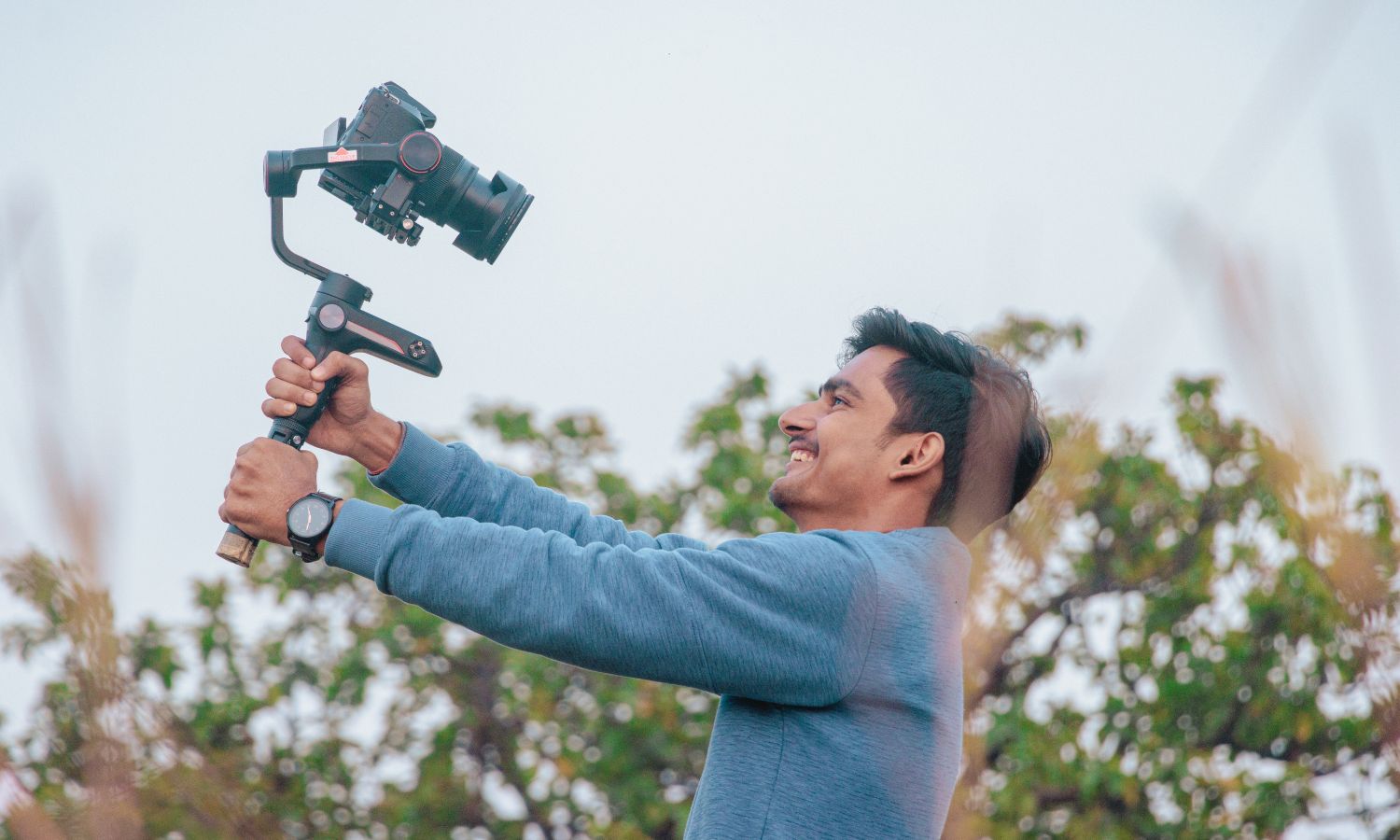
Short-video platforms have been particularly influential because they reduce production complexity. Creators no longer require expensive equipment or studio-level infrastructure to build reach. A smartphone and consistency are often enough.
The rise of AI tools is further democratising participation. AI-powered editing, automated subtitles, regional voiceovers, thumbnail generation, and translation tools are lowering technical barriers even further. This could dramatically expand the creator ecosystem over the next five years.
Challenges Beneath the Growth Story
Despite the optimism, India’s silent creator economy still faces substantial challenges.
Monetisation remains uneven. While a small percentage of creators generate meaningful income, many still struggle with unstable earnings. Platform dependency also remains a structural risk. Algorithm changes can sharply reduce visibility overnight.
Digital literacy gaps persist in smaller towns, particularly around contracts, taxation, copyright protection, and financial planning. Many creators lack access to professional management or legal support.
Mental health pressures are also growing. Constant content production, audience expectations, trolling, and performance anxiety are becoming serious concerns, especially for young creators navigating public visibility for the first time.
There is also the issue of misinformation. Regional-language ecosystems often lack robust fact-checking infrastructure, increasing the risk of false or polarising content spreading rapidly.
Additionally, access to institutional capital remains limited. Venture funding, creator agencies, and media networks still remain disproportionately concentrated in metro cities. For India’s creator economy to mature sustainably, these structural gaps will need attention.
Why This Shift Matters for India’s Economy
The rise of Tier-2 creators is not simply a social media trend. It reflects deeper changes within India’s economic and cultural landscape.
First, it signals the decentralisation of economic opportunity. Digital infrastructure is enabling income generation outside traditional urban clusters.
Second, it demonstrates the growing economic power of regional India. For decades, national media and advertising largely catered to metro aspirations. Today, regional audiences are shaping mainstream consumption patterns.
Third, it reflects a broader shift from employment-seeking to entrepreneurship-led growth. Many young creators are no longer waiting for traditional jobs; they are building independent digital enterprises.
Fourth, it creates a new layer of localised economic multiplier effects. A successful creator often generates employment within their ecosystem — editors, designers, collaborators, photographers, and marketers.
Finally, this transformation may help reshape India’s digital identity globally. Rather than replicating Western influencer models, India is developing a distinctly decentralised, multilingual, community-driven creator economy.
The Future of India’s Silent Economy
Over the next decade, India’s creator economy is likely to become more fragmented, regionalised, and commerce driven.
The future may not belong exclusively to mega influencers with nationwide visibility. Instead, value could increasingly shift toward niche creators with high-trust communities and strong local relevance.
This is particularly important in a country as culturally diverse as India, where regional identity often shapes consumer behaviour more powerfully than national advertising narratives.
The creator economy’s next growth phase will likely emerge not from elite urban clusters but from the breadth of India’s smaller cities and towns.
In many ways, this mirrors India’s broader economic transition. Consumption growth, entrepreneurship, and digital adoption are increasingly being driven by Bharat rather than metropolitan India alone.
The silent economy is no longer silent.
It is creating jobs, reshaping commerce, decentralising influence, and redefining what digital power looks like in the world’s largest connected population.